
Sometimes you gotta get your hands dirty
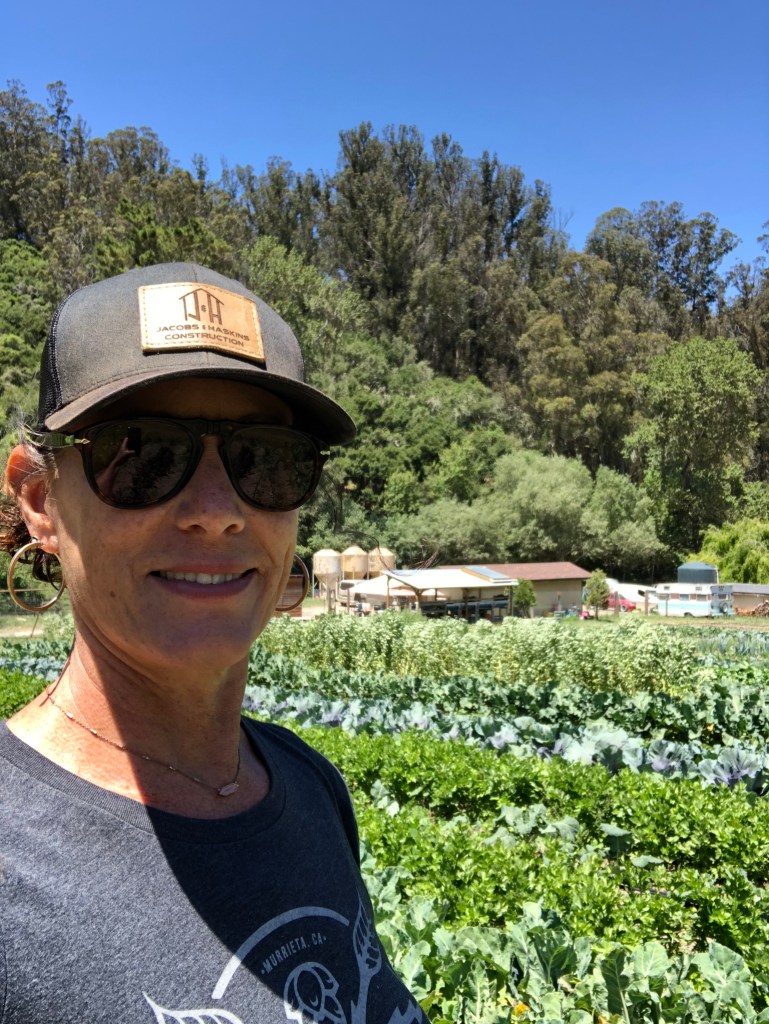
Yesterday was a very good day. I worked on the Dare 2 Dream farm picking veggies for the CSA boxes that were delivered today. I picked fennel bulb and kohlrabi. After I picked I cleaned and packed the produce in the walk-in fridge. I had an amazing day! It was hard work and not something I was completely ready for but it was exhilarating and motivating. What a gorgeous day it turned out to be. I first approached Megan, founder of Dare 2 Dream Farms, about writing a blog describing the sustainable farming practices they use on the farm. I wanted to get a closer look at what they do called biodynamic farming. I wanted to get my hands dirty and get a taste of what actually goes into running the produce portion of their operations.
What does biodynamic farming mean? How is it similar or different from organic farming? How does it effect the quality of the food? What is the effect on the earth? These were the questions I had after I found out that the veggies that Dare 2 Dream Farms puts in the CSA box I subscribe to are not certified organic. As a conscious consumer of good foods I was a little concerned. Why would they not be certified organic and what were they that I should choose their CSA boxes over others that were certified organic. These questions started me down a rabbit hole, so to speak. So what is the difference between the two types of farming principles?
Organic and biodynamic are very similar; both are grown without chemicals and GMOs. … The main difference between organic and biodynamic is that biodynamic farming uses different principles that add vitality to the plant, soil and/or livestock, whereas traditional farming typically deteriorates the soil. Many Organic and certified organic farms graduate to biodynamic principles after some time and others begin those practices from the very beginning. There are over 200 farms in California that use biodynamic farming. They want to manage their footprint and care for the beautiful gem of an earth that they have been given. As I have talked with farmers that are using biodynamic growing principles it is all about the holistic approach to farming, meaning the circle of life is protected in all phases of the growing process. Great care is taken to ensure the soil is protected. Soil is king in the garden. The word regenerative is often used synonymous with biodynamic and I tend to like this term because it responds to a concern that so many have regarding the future of our planet and how the damage can be repaired. I have come to the conclusion that supporting a farmer who is using these biodynamic principles is what I can get behind. These farmers do not cut corners. Their food may be a little more expensive but when you consider the great cost and lengths at which they go to ensure that the planet is left in better condition than when they started AND the food has more flavor and nutrients than food produced in other ways, then it is a no-brainer to support them.
I know what you are thinking because I wondered the same thing. How do you know if a farm employs biodynamic principles? Well you need to ask. When we are able to talk directly with the farmer we learn all about how they grow and what their principles are. We appreciate the world around us and understand that it is a gift from a loving Creator. Since it is a gift we need to respect and care for it. As you can imagine farming by hand using tools that do not disturb the living organisms in the soil is a lot of work. If you get a CSA box and you find a worm (that’s soil gold!), caterpillar, pincer bug, or slug, please know that everything has a place and a balance. Just wash your veggies and be thankful that you are not eating vegetation that has been sprayed with pesticides. There may be a few bugs and some dirt but dirt don’t hurt.
 Bec Health Chick
If bugs won’t eat your food, why should you? 👌🏼 Love this description of biodynamic farming. Thanks for all your hard work yesterday.
LikeLiked by 1 person