
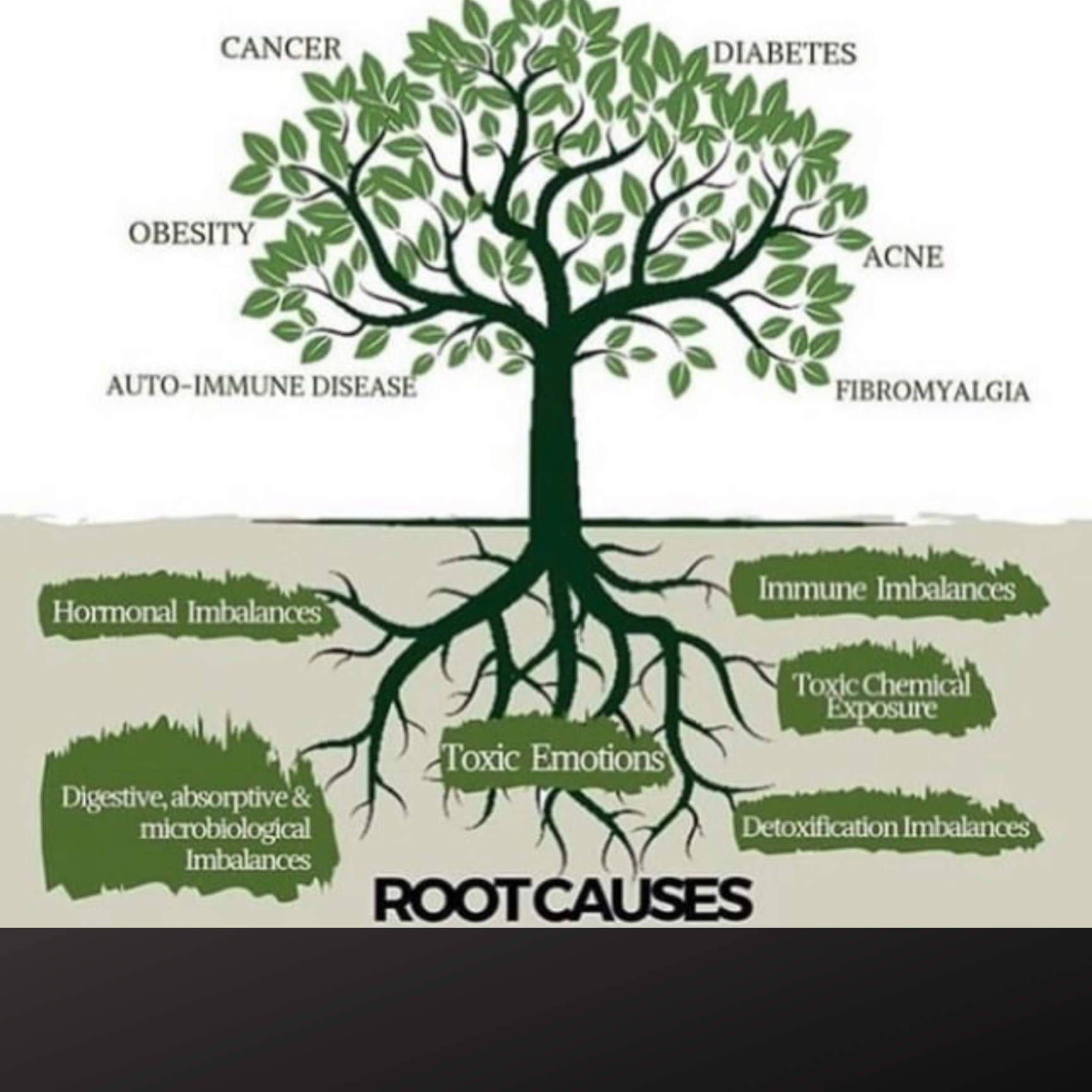
As a Certified Functional Nutrition Counselor I work on the tenements of functional medicine namely, 1) Everyone is unique, 2) All things matter, and 3) Everything is related. So how does this translate to getting to the root cause of health issues?
Our gut is the first line of defense against the outside world. Everything we take in from food to chemicals needs to be digested and used and our gut is the director. Let’s talk about the important role of our gut and why we can say that it is really at the root of our health and wellness.
The gut is powerful, and it is at the center of our health and wellness. What we know the gut does is digestion. So many times, we only think that we have gut dysbiosis or imbalance when our digestion is off, but digestion is just one of the powerful actions that our gut does. If you were suffering from depression, weight gain, insomnia, eczema, acne, Alzheimer’s, diabetes, lack of energy, allergies, food sensitives, or arthritis would your first thought be wow I really need to focus on my gut health. No, the first thing is usually going to the doctor telling him/her your symptoms, and then being prescribed medication. Once you are on the medication hamster wheel it is very, very difficult to get off. But in reality, all of those symptoms are a result of poor gut health. In functional medicine, we use the term “root cause resolution” or essentially, getting to the bottom of it. And in this case, the bottom is our gut. Certainly, without good gut health, we wouldn’t be able to use the nutrients we take in and then we don’t live. Other powerful actions of the gut microbiome:
Metabolism, Hormone regulation, Mood, Brain Health, and Genetic Code (not a set of predetermined codes but a set of switches that you can turn on and off. Who is at the switchboard?) The gut microbes are flipping the switches.
Now we are going to focus on the gut-brain connection. The gut is connected to the brain by means of an information superhighway called the vegas nerve, or Gut-brain axis. It is a complex series of back-and-forth communication between the gut and the brain. What makes this connection even more interesting though, in my opinion, is that when we were growing in the womb the cells that turned into gut cells and those that grew into brain cells never disconnected. All the other cells went to be where they needed to be like kidneys, liver, toes, and eyes but those in the brain and gut continued to grow together and connected by this axis. How many of you have had a really big thing to do like maybe talk in front of a group of people that you don’t know, and your stomach was churning, you had to run to the bathroom and when it was over you were just fine. That is a good example of the connection. When we feel stressed or anxious our gut is affected too. 90% of serotonin, the “happy hormone” vibrant mood that regulates happiness, contentment, and stress is manufactured in the gut. The good microbes will eat the fiber and when they break down the output is metabolites which is the precursor to serotonin, and that serotonin is then released for the brain to use.
A scientific study on the microbes in the gut of people with major depression and anxiety found that their guts are overrun with harmful bacteria. It is overrun with bad bacteria that cause inflammation. The immune system then is always activated, systemic stress or oxidative stress disrupts the messages and the hormones necessary for happiness and wellness. There are more inflammatory microbes, associated with poor health outcomes, and simultaneously fewer anti-inflammatory Short Chain Fatty Acid-producing microbes. Mental health and microbiome are not separate but integrated.
So then what can you do to improve the health of your gut microbiome and in turn improve your overall health and wellness? Here are five tips that are simple but will net a powerful change.
- Eat whole-food, predominately plant food. Strive for 80% of your daily intake to come from whole-food, plant sources. This includes fruits, vegetables, nuts, seeds, and legumes. Also, concentrate on getting your whole food from minimally processed foods. It is the fiber in plant foods that feeds our gut microbiome. Fiber is found only in plant foods. Aim for at least 25g for women and 48g for men.
- Eat only food grown by certified organic or regenerative certified producers. The pesticides and herbicides that are allowed to be used by conventionally produced crops will destroy your gut microbiome and cause imbalances that affect your health and could even lead to major disturbances in your quality of life.
- Exercise or move for at least 15 minutes a day. If this seems too hard at this moment, break up your walks into five-minute increments. This little bit of movement improves the SCFA-producing microbes that produce Butyerate a compound that helps inflammation, serotonin production, and melatonin production.
- Reduce stress. Because of the gut-brain connection stress can wreak havoc with our gut microbiome. Deal with stress by creating coping mechanisms and having habits that encourage gratitude such as meditation, prayer, and reading the Bible.
- Get out into nature and get your hands dirty. The good microbes that you want in your gut are also found in the soil. Plant a garden and work the soil. Invite your friends to do it with you and you will have two ways to improve the healthy gut microbes.
For more health tips follow me on Instagram at @bechealthchick
 Bec Health Chick